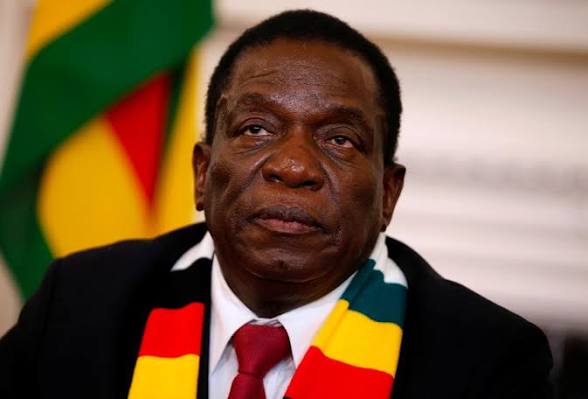
Emmerson Mnangagwa Biography (2026): Age, Career, Net Worth & Zimbabwe Term Extension Controversy Explained

Emmerson Mnangagwa Biography (2026): Age, Career, Net Worth & Zimbabwe Term Extension Controversy Explained
Quick Profile Table
| Attribute | Details |
|---|---|
| Full Name | Emmerson Dambudzo Mnangagwa |
| Date of Birth | September 15, 1942 |
| Age | 84 Years (as of 2026) |
| Nationality | Zimbabwean |
| Profession | Politician, Lawyer |
| Current Role | President of Zimbabwe |
| Political Party | ZANU–PF |
| Years in Power | Since 2017 |
| Known For | Liberation struggle, presidency, economic reforms |
| Net Worth | Estimated $10 Million – $20 Million |
| Marital Status | Married |
| Wife | Auxillia Mnangagwa |
| Status | Active |
Introduction
Emmerson Mnangagwa stands as one of the most enduring and influential political figures in modern African history. As the President of Zimbabwe, his leadership has been defined by a combination of historical legacy, strategic political maneuvering, and ongoing debates about governance and democracy. Known widely as “The Crocodile” due to his calculated and resilient political style, Mnangagwa has spent decades shaping Zimbabwe’s political and economic trajectory. His rise from a young liberation fighter to the highest office in the land is a story deeply intertwined with the nation’s own evolution. As of 2026, his presidency continues to attract global attention, particularly due to ongoing discussions surrounding constitutional amendments and potential term extension.
Early Life and Colonial Background
Emmerson Dambudzo Mnangagwa was born on September 15, 1942, in Zvishavane, a mining town in what was then Southern Rhodesia. His early years were shaped by the harsh realities of colonial rule, where racial segregation and economic inequality defined everyday life for Black Zimbabweans. These formative experiences instilled in him a strong sense of political awareness and resistance.
Growing up in a rural and politically charged environment, Mnangagwa witnessed firsthand the struggles of his community. The limited access to education, employment, and political representation under colonial rule fueled his desire to become part of the liberation movement. His upbringing played a crucial role in shaping his determination to fight for independence and equality.
Education and Intellectual Formation
Mnangagwa’s educational journey was marked by both challenges and opportunities. Due to his political involvement at a young age, his studies were often disrupted. However, he remained committed to learning and later pursued formal education in law.
He studied at the University of Zambia and later obtained a law degree through the University of London external program. His legal training equipped him with a deep understanding of governance, constitutional law, and policy-making.
This academic background would later become a cornerstone of his political career, enabling him to navigate complex legal and economic challenges.
Liberation Struggle and Political Awakening
Mnangagwa’s involvement in the liberation struggle began in his youth when he joined nationalist movements opposing colonial rule. He became a member of the Zimbabwe African National Union (ZANU), working alongside key figures who would later shape the country’s independence.
His role in the struggle included:
- Participation in underground political activities
- Mobilization of support for independence
- Strategic involvement in resistance efforts
These activities led to his arrest by colonial authorities, marking the beginning of a period of imprisonment that would test his resilience.
Imprisonment, Survival, and Exile
Mnangagwa was imprisoned for his involvement in anti-colonial activities, spending several years in detention. During this time, he faced harsh conditions and significant personal hardship.
After his release, he was forced into exile, where he continued his political work. His time in exile allowed him to build connections with other liberation leaders and gain experience in international diplomacy.
This period of his life was crucial in shaping his leadership style, characterized by resilience, patience, and strategic thinking.
Role in Independent Zimbabwe
Following Zimbabwe’s independence in 1980, Mnangagwa became a key figure in the new government led by Robert Mugabe. He was entrusted with significant responsibilities, reflecting the trust placed in him by the leadership.
He held several influential positions, including:
- Minister of State Security
- Minister of Justice
- Minister of Defense
- Vice President
These roles allowed him to gain extensive experience in governance and policy-making.
Political Influence and Strategic Positioning
Over the decades, Mnangagwa developed a reputation as a skilled political strategist. His ability to navigate complex political environments and maintain influence within the ruling party made him a central figure in Zimbabwean politics.
He became known for:
- Strategic decision-making
- Strong party loyalty
- Long-term political planning
His influence extended beyond government, shaping the direction of national policies.
The 2017 Transition to Power
In 2017, Zimbabwe experienced a historic political transition when Robert Mugabe was removed from power. Mnangagwa, who had been dismissed as Vice President shortly before the transition, returned to assume leadership.
His rise to the presidency marked a significant turning point. He promised reforms, economic recovery, and a “new Zimbabwe,” raising hopes for change both domestically and internationally.
Presidency and Governance Approach
As President, Mnangagwa has focused on stabilizing Zimbabwe’s economy and improving governance. His leadership style is often described as pragmatic and results-oriented.
Key priorities of his administration include:
- Economic reform
- Infrastructure development
- Re-engagement with international partners
- Investment promotion
While his policies have aimed to address long-standing challenges, their implementation has faced obstacles.
Economic Challenges and Policy Direction
Zimbabwe’s economy has faced significant difficulties, including inflation, unemployment, and currency instability. Mnangagwa’s administration has introduced measures to address these issues, such as fiscal reforms and investment initiatives.
However, economic recovery has been slow, and challenges remain. Critics argue that more comprehensive reforms are needed to achieve sustainable growth.
Term Extension Debate and Political Controversy
One of the most significant developments in 2026 is the debate surrounding a potential extension of Mnangagwa’s presidency. Discussions about constitutional amendments have sparked intense political discourse.
Supporters believe that extending his term would provide continuity and allow ongoing reforms to succeed. Critics, however, view it as a threat to democratic principles and political accountability.
This issue has become a focal point of national and international attention.
International Relations and Diplomacy
Mnangagwa has sought to improve Zimbabwe’s relations with the international community. His approach includes engaging with global partners, attracting foreign investment, and participating in international forums.
While some progress has been made, Zimbabwe’s global image remains complex, influenced by both past and present political dynamics.
Personal Life and Family Influence
Mnangagwa is married to Auxillia Mnangagwa, who plays an active role as First Lady. She is involved in various social initiatives, focusing on community development and welfare.
Despite his public role, Mnangagwa maintains a relatively private personal life, emphasizing discipline and focus on his responsibilities.
Net Worth and Financial Standing
Mnangagwa’s estimated net worth ranges between $10 million and $20 million. His wealth is attributed to his long career in politics, business interests, and investments.
His financial profile is often discussed in the context of transparency and governance.
Leadership Style and Decision-Making
Mnangagwa’s leadership style is characterized by strategic thinking, patience, and resilience. He is known for making calculated decisions and maintaining a steady approach to governance.
His ability to navigate political challenges has been a defining feature of his career.
Legacy and Historical Significance
Emmerson Mnangagwa has played a pivotal role in Zimbabwe’s history. From the liberation struggle to his presidency, his influence has been profound.
His legacy is multifaceted, encompassing:
- Contributions to independence
- Long-standing political influence
- Ongoing debates about governance
Future Outlook
As Zimbabwe continues to navigate political and economic challenges, Mnangagwa’s leadership will remain central to the country’s future. The outcome of current debates and policies will shape his legacy and the nation’s direction.
Frequently Asked Questions (FAQ)
Who is Emmerson Mnangagwa
He is the President of Zimbabwe.
What is his age
He is 84 years old as of 2026.
What is he known for
He is known for his role in Zimbabwe’s politics and liberation struggle.
Who is his wife
He is married to Auxillia Mnangagwa.
What is his net worth
His estimated net worth is between $10 million and $20 million.
Conclusion
Emmerson Mnangagwa remains a defining figure in Zimbabwe’s political landscape. His journey from a young activist to a seasoned leader reflects decades of experience, resilience, and influence. As debates about governance and the future of Zimbabwe continue, his role will remain central to shaping the nation’s path forward.
