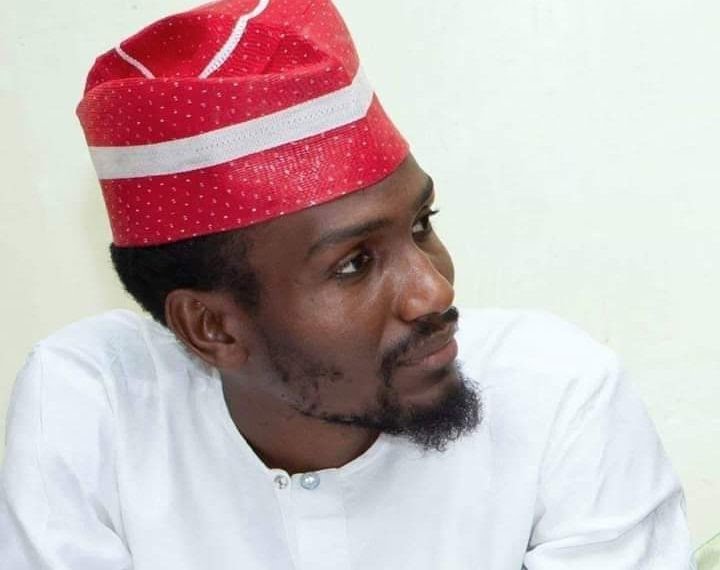

Abubakar Idris, widely known as Dadiyata, is a Nigerian activist, social media commentator, and public critic of political leaders. Many people search for information about him because of his sudden disappearance in 2019 and the debates that followed. Before this event, he gained attention online for sharing strong opinions about governance, corruption, and social issues in Nigeria. This article explains who Dadiyata is, his background, education, public activities, and what was known about his personal life before he went missing.
Early life and background
Abubakar Idris was born in Kaduna State, Nigeria. He grew up in northern Nigeria and spent most of his early years in a community shaped by strong cultural and religious traditions. Friends and people who followed him online often described him as outspoken and confident from a young age.
His nickname Dadiyata became more popular as his online presence grew. Many people knew him more by this name than by his birth name. Like many young Nigerians who later turned to activism, he was influenced by the political climate around him. Economic challenges, public debates, and conversations about leadership shaped his views during his early years.
There is limited public information about his childhood, but reports suggest he valued education and self expression. He showed an interest in public discussion long before he became active on social media platforms.
Education and intellectual interests
Dadiyata attended school in Kaduna State, where he completed his basic education. He later pursued higher education, although details about specific institutions and degrees remain limited in public records. People who interacted with him online often noted his interest in political discussion, religion, and civic engagement.
He spent time reading about governance, human rights, and the role of citizens in a democratic society. His posts suggested that he followed local and international news closely. He frequently shared commentary about national policies and political decisions, which drew both support and criticism.
Education played a role in shaping his approach to activism. He often used clear language to explain complex issues to his followers. This style helped him connect with a broad audience that included students, young professionals, and everyday social media users.
Career and online presence
Dadiyata became widely known through his activity on social media platforms. He used these platforms to express his political opinions and to challenge public figures. His posts focused on governance, accountability, and public transparency.
Unlike traditional journalists or politicians, he operated as an independent voice online. He did not represent any official media organization. Instead, he built a personal brand through regular posts, discussions, and debates. This approach helped him gain a large following within a short period.
His online presence was not limited to political commentary. He also shared thoughts about education, youth development, and the responsibilities of citizens. Many supporters saw him as a voice for young Nigerians who wanted more open conversations about leadership and national progress.
However, his strong opinions also attracted criticism. Some people disagreed with his tone or accused him of being too confrontational. Despite this, he remained active and continued to share his views publicly.
Political views and public attention
Dadiyata became more visible during periods of political tension in Nigeria. He openly criticized certain government actions and spoke about issues such as corruption, insecurity, and freedom of speech. His comments often sparked intense debates online.
Supporters believed he was exercising his right to express opinions in a democratic society. Critics argued that his language sometimes created controversy. Regardless of the reactions, his name began to trend regularly on Nigerian social media spaces.
His growing popularity meant that many people followed his posts closely. Some journalists and commentators discussed his views during public conversations about online activism. Over time, he became known as one of the outspoken voices from northern Nigeria on political issues.
It is important to note that Dadiyata was not an elected official or a member of a major political party. His influence came mainly from his online presence and the discussions he started.
Personal life and interests
Before his disappearance, Dadiyata kept parts of his personal life private. He was married and had children, and he occasionally shared family related updates with his followers. Despite his public persona, he did not reveal many details about his daily routines or close relationships.
People who knew him described him as passionate about education and community development. He enjoyed engaging with others in discussions about religion, politics, and social change. His posts often showed that he valued dialogue, even when opinions differed.
Outside of politics, he appeared to have a strong interest in reading and public speaking. He sometimes used humor in his posts, which helped him connect with a wider audience. Friends and supporters said he balanced his activism with family responsibilities, although the exact details of his lifestyle were not widely documented.
Events leading up to his disappearance
In the months before his disappearance, Dadiyata remained active online. He continued to comment on political matters and to engage with followers. Some observers noted that his posts attracted increasing attention, both positive and negative.
On a day in August 2019, reports emerged that unknown individuals had taken him from his home in Kaduna. The circumstances surrounding the incident were unclear, and there were conflicting accounts about what happened. News of his disappearance spread quickly across social media, leading to widespread concern and public debate.
Many people called for investigations and demanded answers about his whereabouts. Activists, journalists, and ordinary citizens used online campaigns to raise awareness. Despite these efforts, confirmed information about what happened to him remained limited.
Public reaction and ongoing questions
After his disappearance, discussions about freedom of expression and safety of activists became more visible in Nigeria. Some supporters organized online movements and public conversations to keep attention on his case. Others questioned the role of social media in shaping political discourse.
Authorities made statements at different times, but the situation remained unclear for many observers. The lack of verified updates created uncertainty and speculation. As months passed, interest in his story continued, with many people searching for information about his life and background.
The case also sparked debates about digital activism and the risks that outspoken individuals might face. For some Nigerians, Dadiyata became a symbol of online political engagement. For others, his story raised questions about the limits of public criticism in a tense political environment.
Legacy and public interest
Even before his disappearance, Dadiyata had built a reputation as a strong online voice. After the incident, interest in his biography grew as people tried to understand who he was beyond social media posts. His story became part of broader discussions about youth activism in Nigeria.
Many followers remember him for encouraging open dialogue and questioning authority. Critics continue to debate his style and approach, but there is general agreement that he played a visible role in online political conversations.
Today, searches about Dadiyata often focus on his early life, education, and personal background. People want to know more about the man behind the online persona. His biography remains a subject of discussion among activists, journalists, and researchers who study digital culture in Nigeria.
Frequently Asked Questions
Who is Dadiyata?
Dadiyata is the nickname of Abubakar Idris, a Nigerian social media commentator and activist known for sharing political opinions online.
Where is Dadiyata from?
He is from Kaduna State in northern Nigeria, where he spent most of his early life.
What made him popular online?
He gained attention by posting strong views about governance, corruption, and public accountability, which attracted both supporters and critics.
Was Dadiyata a politician?
No. He was not an elected official or a member of a major political party. His influence came mainly from his online activity.
Did he share details about his personal life?
He kept much of his private life away from the public, although it was known that he was married and had children.
What happened before his disappearance?
Before he went missing in August 2019, he remained active on social media and continued to comment on political issues. The exact circumstances surrounding his disappearance remain unclear.
